What light does to the same photo.
Everyone says light matters. Here is what it actually changes in the numbers: two pairs of photos, each pair one generated image shown twice - the original and a lighting treatment of the identical shot - analyzed with the same engine that runs in the photo check (version 0.2.0, 30 October 2026).
Setup and honesty box
Pair 1 - harsh light vs soft daylight, identical photo
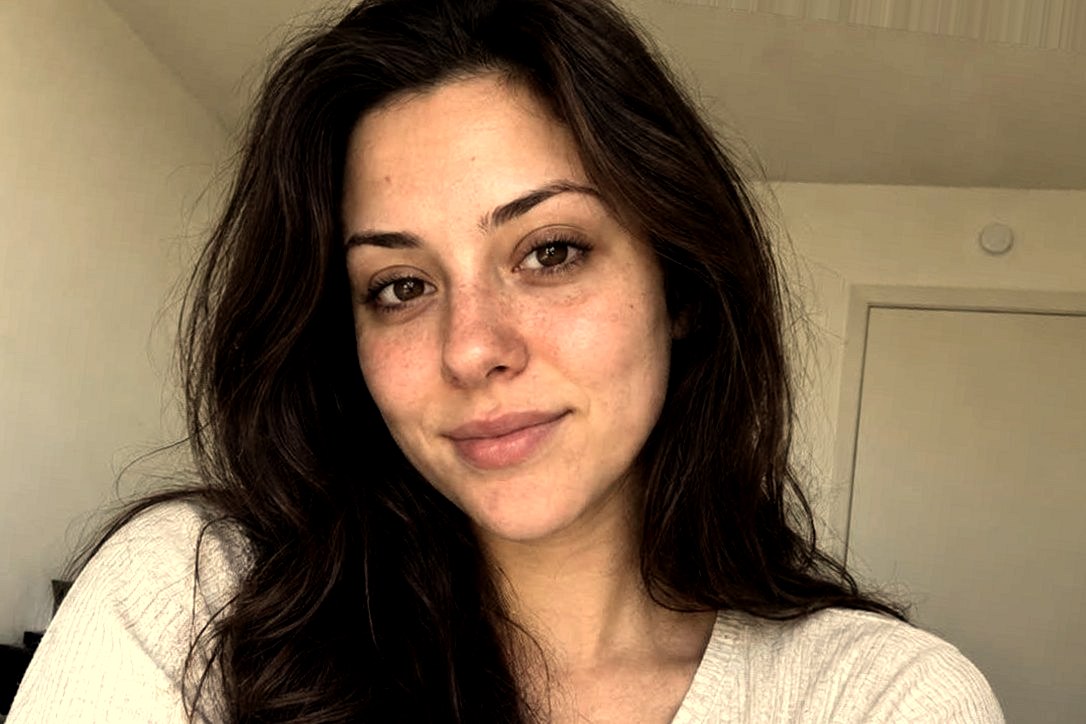
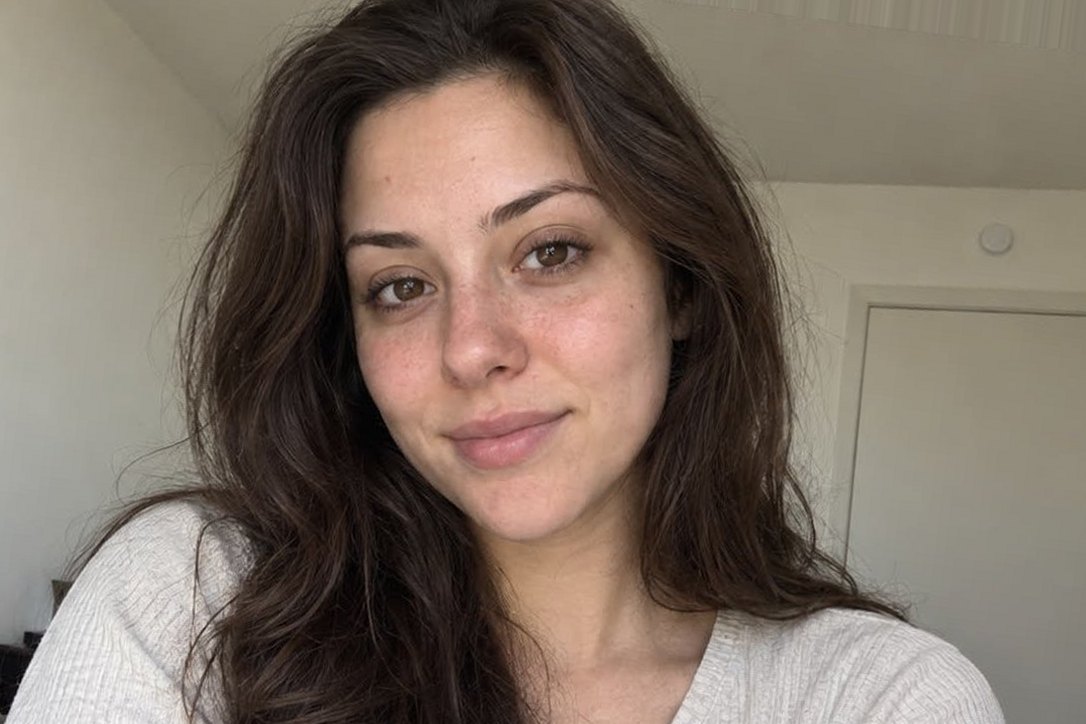
Harsh-light treatment (left) and the original soft daylight (right). Same generated photo.
| Measurement | Harsh light | Soft daylight |
|---|---|---|
| Mean luminance (0-1) | 0.486 | 0.481 |
| Shadow clipping | 12.1% | 1.0% |
| Contrast, RMS | 0.285 | 0.224 |
| Tonal spread (p5-p95) | 0.827 | 0.686 |
The harsh version is not darker - it is harder. Average brightness barely moves (0.486 vs 0.481), but twelve times as much of the face is crushed into near-black shadow, and the tonal stretch from dark to bright widens by a fifth. That is what "bad light" looks like in data: not less light, worse distribution of the same light.
Pair 2 - dim lamp vs daylight, identical photo
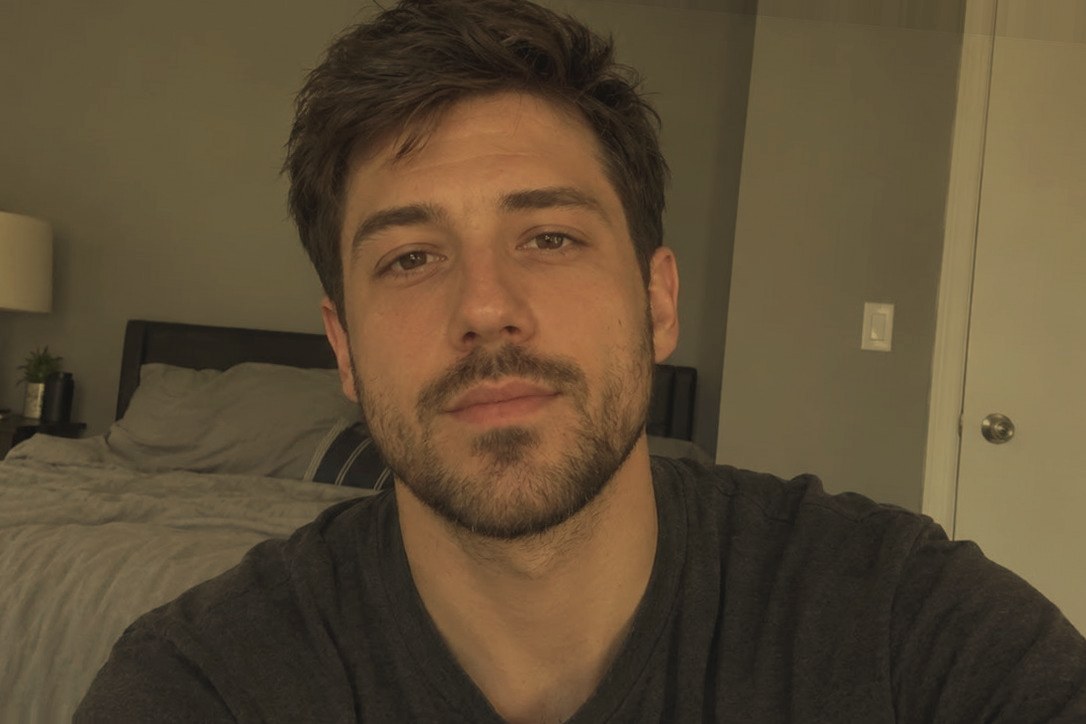
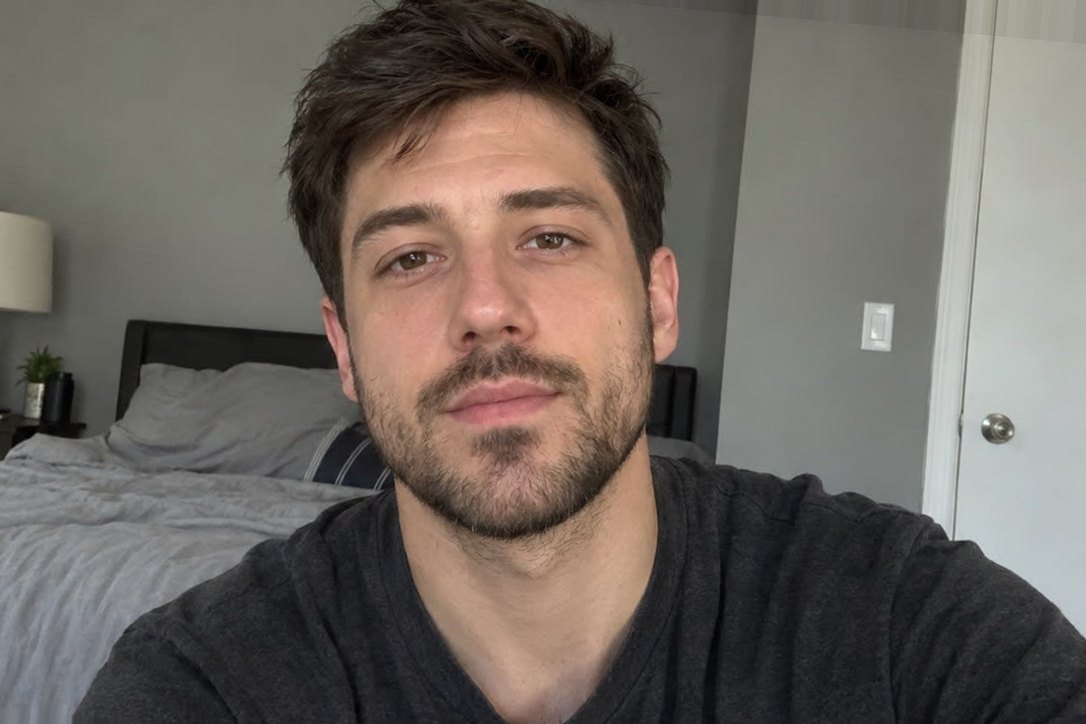
Dim-lamp treatment (left) and the original daylight (right). Same generated photo.
| Measurement | Dim lamp | Daylight |
|---|---|---|
| Mean luminance (0-1) | 0.363 | 0.487 |
| Contrast, RMS | 0.099 | 0.162 |
| Tonal spread (p5-p95) | 0.329 | 0.541 |
| Sharpness (Laplacian variance) | 62.3 | 143.7 |
Dim light reads as soft focus - even when nothing is blurry. The two files contain the same underlying detail, yet the sharpness proxy falls by more than half under the lamp treatment, because a Laplacian responds to local contrast, and dim flat light has less of it. We disclose this confound on the methodology page rather than hide it: a low sharpness number means retake in better light, not that your lens failed.
The result we did not expect to publish
The frame check refused to score every one of these four images - our own demo photos. The generated poses exceed the proposed pose limits (head roll of 8.1 to 11.6 degrees against a 5-degree limit; one yaw of -12.4 degrees against a 10-degree limit), so the engine reported retake needed with guidance and produced no photo-quality score for any of them.
We left that in on purpose. It is the product working as designed: a gate that would rather say nothing than grade a bad input, applied to ourselves first. The measurements above are the un-gated technical values the engine reports alongside a retake decision.